Rāma रामः
Rāghava, Dāśarathi, Kākutstha, Kausalyā-suprajā
Eldest son of Daśaratha and Kausalyā; the seventh avatāra of Viṣṇu; Maryādā Puruṣottama.
The nameFrom ram, “to delight”: ramante yoginaḥ asmin — “he in whom the yogīs delight”, or ramayati — “he who delights all”. The Symbolism notes give ramate iti rāmaḥ — one who revels in the Self.
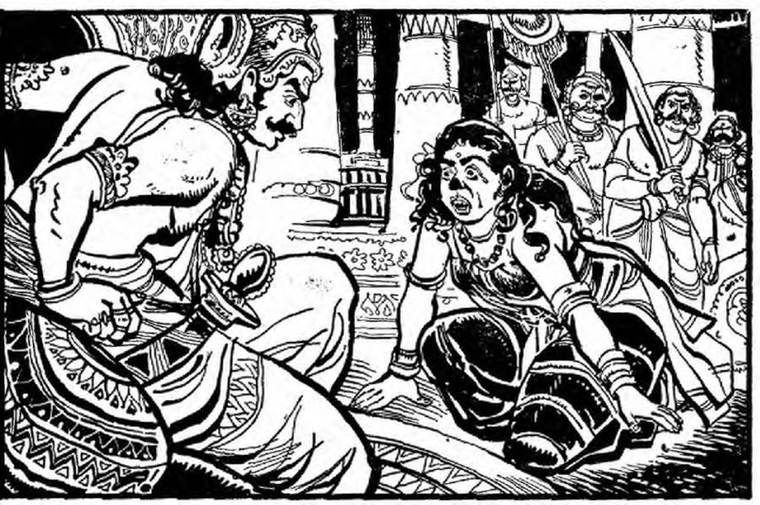
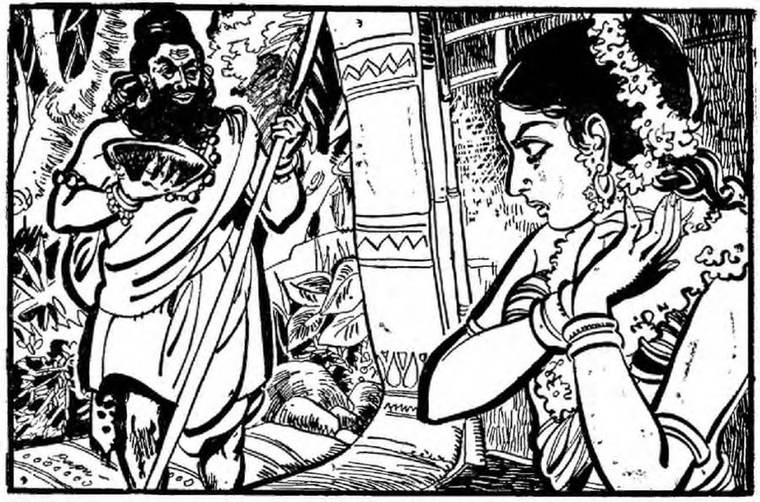
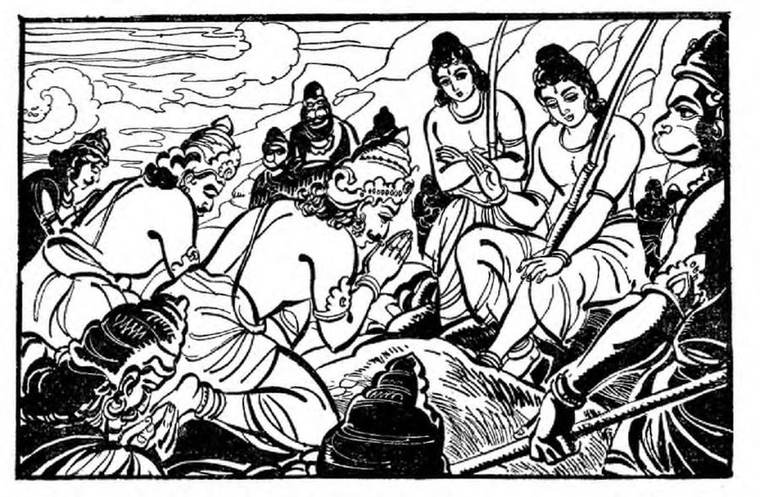
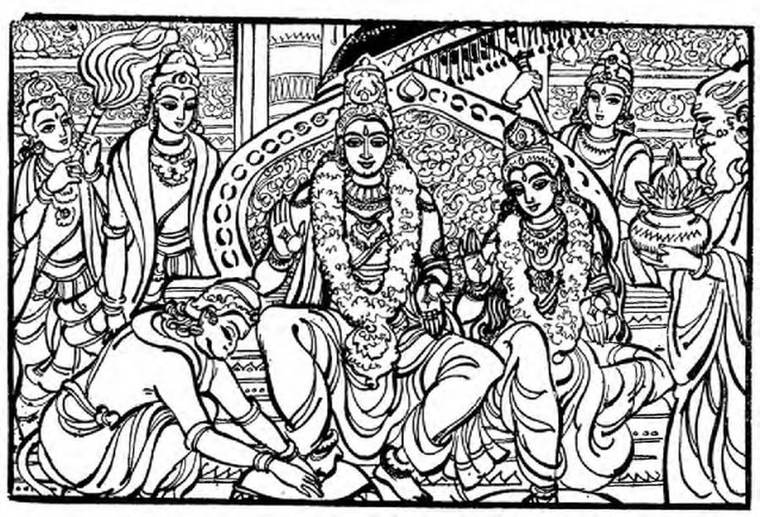
Back storyBorn of the putrakāmeṣṭi to end Rāvaṇa, Rāma grows up as the ideal prince, is trained by Vasiṣṭha and Viśvāmitra, wins Sītā by breaking Śiva’s bow, and on the eve of his coronation accepts fourteen years’ exile to keep his father’s word. He loses Sītā to Rāvaṇa, allies with the vānaras, kills Rāvaṇa, and returns to rule. As king he sends Sītā away for the people’s sake, and at the end walks into the Sarayū.
GreatnessPerfection in every role at once — son, brother, husband, friend, king, enemy — and above all the unbroken word. He lives entirely as a man (“I think of myself as a man”) so that his life can be followed. See the page Rāma’s Character for every quality, with the verses that show it.
SymbolThe Self (Ātman) — born of a mind that has mastered the ten senses (Daśaratha), wedded to the world (Sītā), separated from it by desire, and reunited by knowledge.
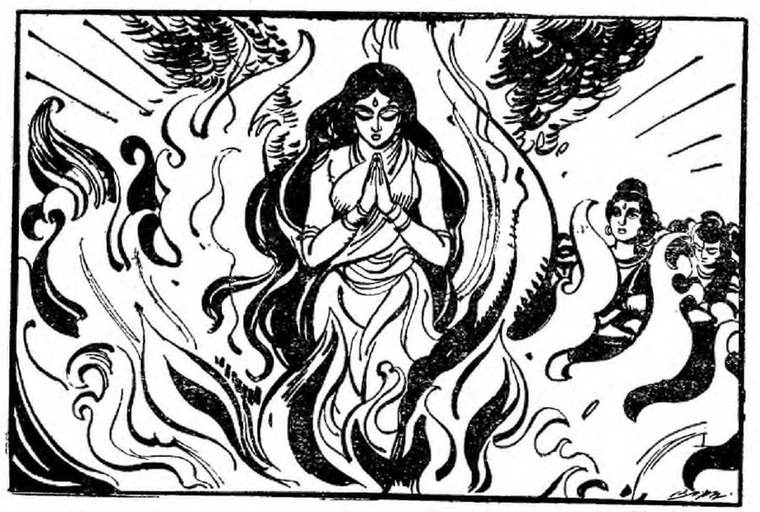
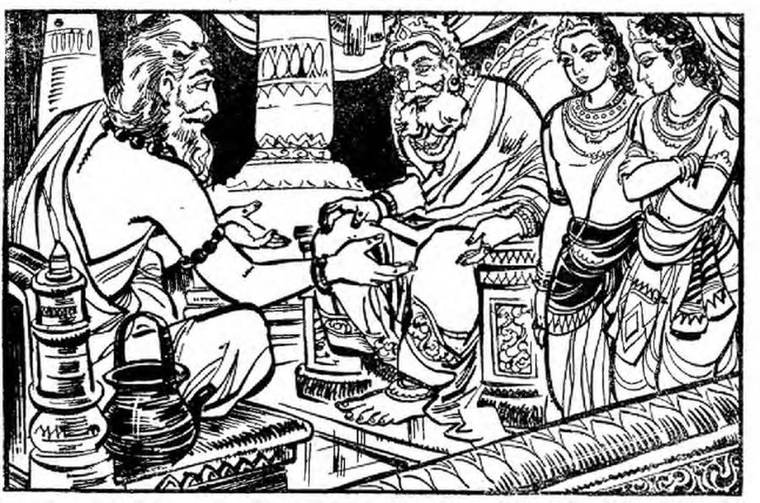
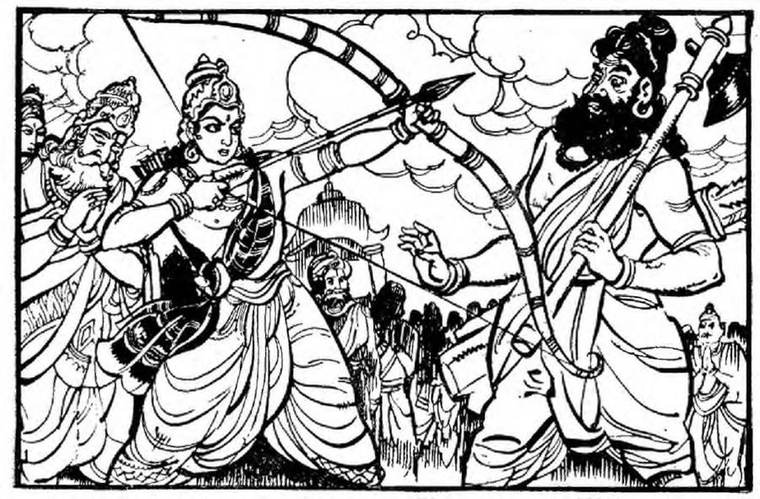
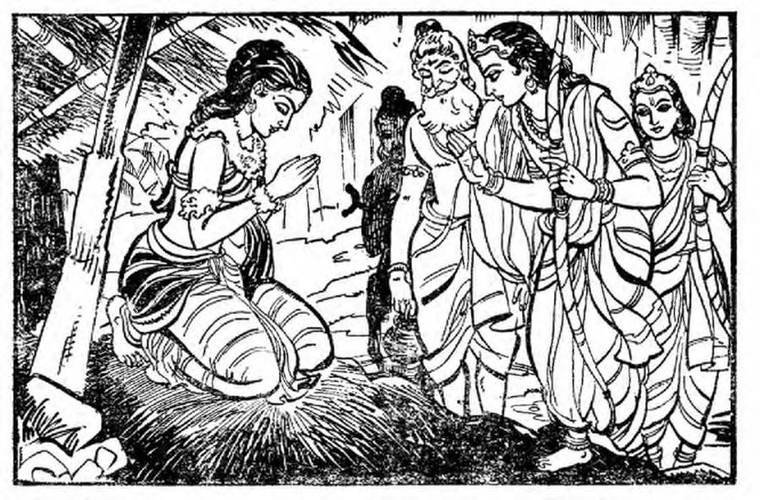
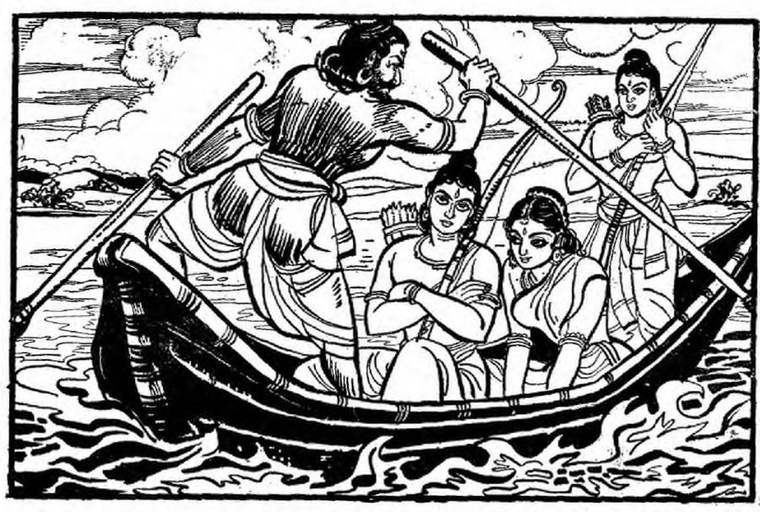
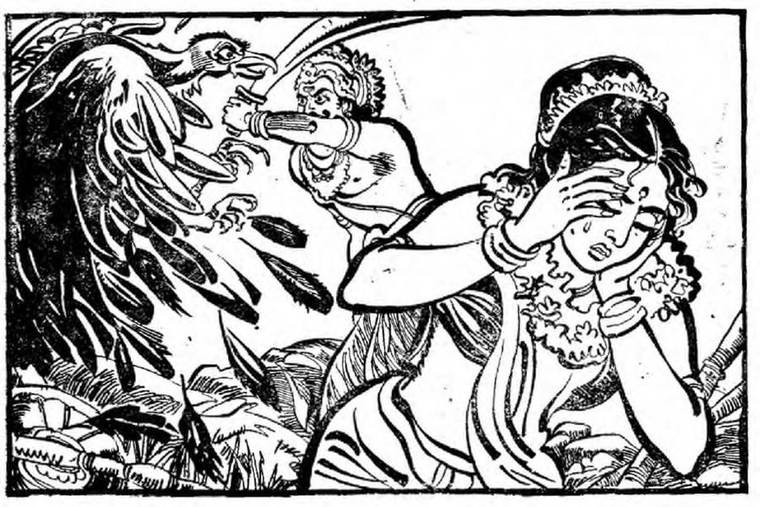
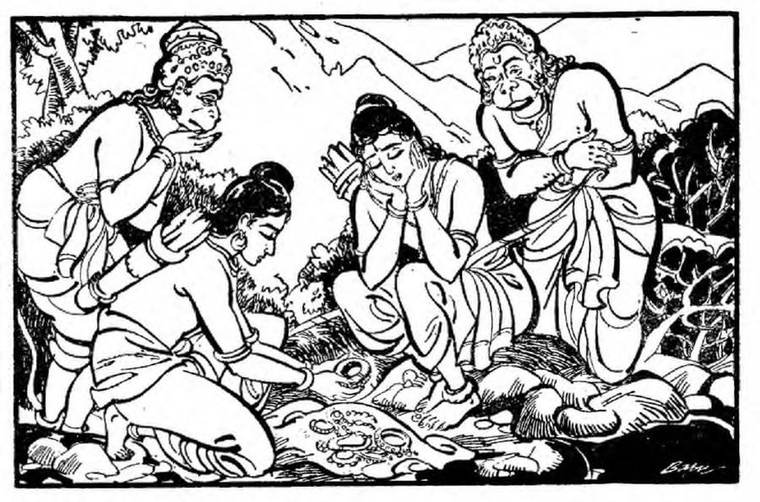
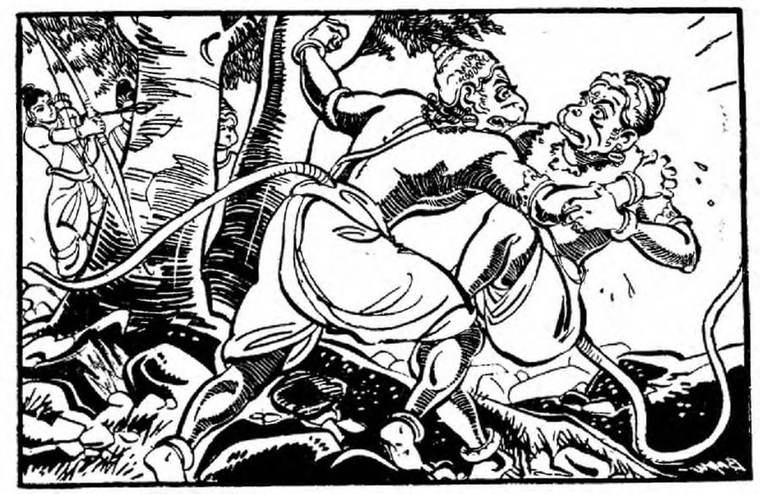
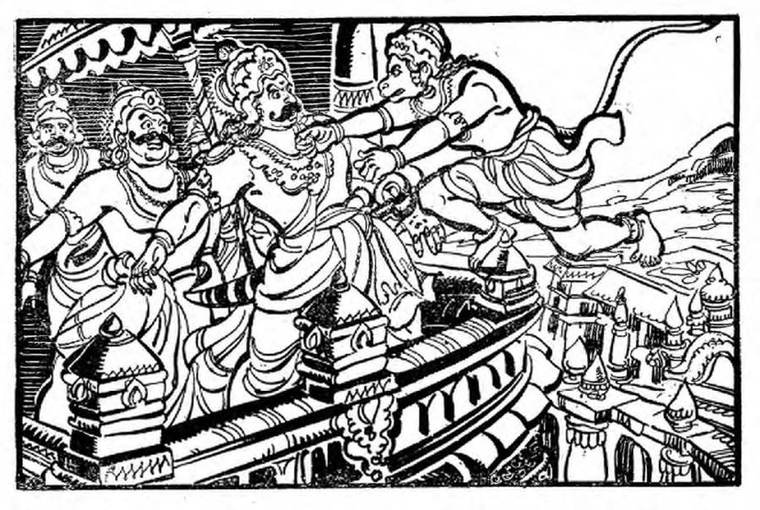
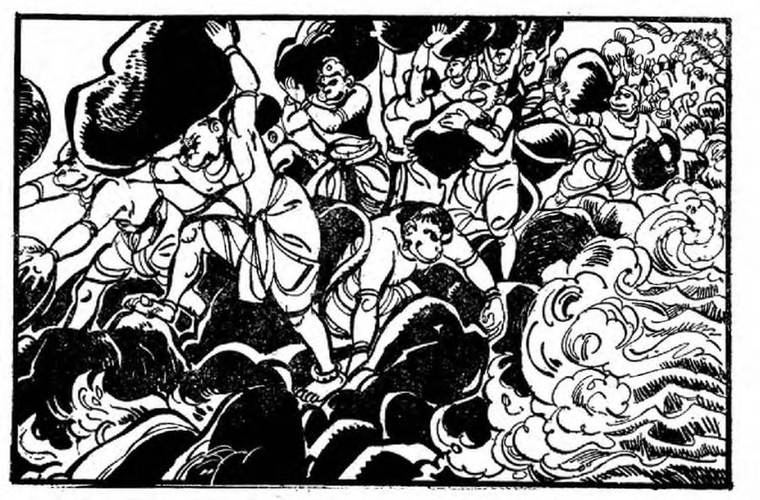
Appears inThe Birth of the PoemAyodhyā, the Sacrifice and the Birth of RāmaViśvāmitra Comes for RāmaTāṭakā and the Guarded SacrificeStories on the RoadAhalyā Set FreeŚiva’s Bow and the Wedding of SītāParaśurāma HumbledThe Coronation AnnouncedRāma Receives the SentenceThree Who Would Not Let Him GoLeaving Ayodhyā — Guha and the CrossingThe Meeting at CitrakūṭaThe Sandals on the ThroneAtri and AnasūyāThe Vow in the Daṇḍaka ForestAgastya’s Gift and PañcavaṭīŚūrpaṇakhā and the Fourteen ThousandThe Golden Deer and the AbductionJaṭāyu’s Last BattleRāma’s Grief and the Leashed FuryKabandha and ŚabarīRāma Meets HanumānThe Pact by Fire and Sītā’s OrnamentsSugrīva’s Story and the Seven Sāla TreesThe Killing of VāliThe Monsoon and Lakṣmaṇa’s AngerThe Search Begins — the Ring Given to HanumānHanumān Meets Sītā“I Have Seen Sītā”Two CouncilsVibhīṣaṇa’s Refuge — the Charter of ŚaraṇāgatiThe Ocean and the BridgeOvertures and UltimatumsThe Battles Begin — and a Disarmed Enemy Sent HomeKumbhakarṇaIndrajit’s War of IllusionLakṣmaṇa Falls — Rāma’s LamentThe Āditya-hṛdaya and the Fall of RāvaṇaThe Fire and the RevelationThe Return and Rāma-rājyaThe Rumour and Sītā’s ExileEpisodes of the ReignLava and Kuśa Sing the RāmāyaṇaSītā Returns to the EarthThe Departures
VersesBāla 1.1.2–3Bāla 1.18.8–10Bāla 1.19.14Bāla 1.23.2Bāla 1.73.26–27Bāla 1.1.4Bāla 1.1.8Bāla 1.1.17–19Bāla 1.18.30–31Ayodhyā 2.1.10–11Ayodhyā 2.18.28–30Ayodhyā 2.19.20Ayodhyā 2.19.33Ayodhyā 2.21.40Ayodhyā 2.40.9Ayodhyā 2.105.16Ayodhyā 2.105.26–27Ayodhyā 2.109.13Ayodhyā 2.25.32Ayodhyā 2.100.19Ayodhyā 2.105.21–22Ayodhyā 2.109.4Araṇya 3.10.3Araṇya 3.10.18–19Araṇya 3.37.13Araṇya 3.9.3–4Araṇya 3.47.45Kiṣkindhā 4.3.28–29Kiṣkindhā 4.18.18–19Kiṣkindhā 4.8.9Kiṣkindhā 4.8.21Kiṣkindhā 4.30.81Sundara 5.16.27Sundara 5.42.33Yuddha 6.1.13Yuddha 6.18.3Yuddha 6.18.33–34Yuddha 6.90.71Yuddha 6.101.15Yuddha 6.105.3Yuddha 6.109.25Yuddha 6.117.11Yuddha 6.128.99–100Yuddha 6.21.14–15Yuddha 6.105.4Uttara 7.40.17
In the Yoga VāsiṣṭhaRāma as the student who becomes free — the Yoga Vāsiṣṭha