Vedas Structure
A mindmap reconstructing the architecture of Vedic literature — Śākhās, Saṃhitā, Brāhmaṇa, Āraṇyaka, and Upaniṣad.
Explore →Structured studies of the Vedas, the Bhagavad Gītā, the Itihāsas, and the teachings of the Vedāntic masters — compiled for serious, sustained study.
Prepared with the help of AI from the scriptures and the works of many teachers — it may contain mistakes. About this research
A mindmap reconstructing the architecture of Vedic literature — Śākhās, Saṃhitā, Brāhmaṇa, Āraṇyaka, and Upaniṣad.
Explore →A visual map of the principal Vedāntic concepts and how they relate to one another.
Explore →A working reference to the core technical vocabulary of Advaita Vedānta — searchable and cross-linked.
Explore →A study companion to Śaṅkarācārya’s foundational primer on the basic concepts of Vedānta.
Explore →Parables and stories drawn from the scriptures, retold for reflection and manana.
Explore →A searchable collection of quotations and sayings from Vedāntic and related sources.
Explore →Parables and stories drawn from the eastern scriptures, retold for reflection and manana.
Explore →Study companions to the twelve principal Upaniṣads, with Devanāgarī, translation, and commentary for each.
Explore →A verse-by-verse study companion to this classical text on discriminating the seer from the seen.
Explore →Brahma-sūtra is the third member of the prasthāna-traya, the triple foundation of Vedānta, standing alongside the Upaniṣads and the Bhagavad-gītā.
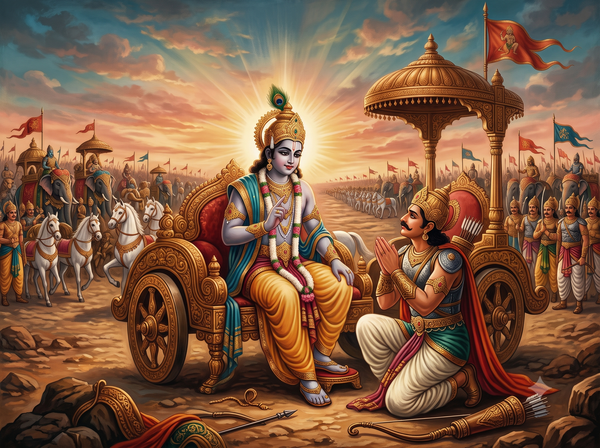
Explore →An 18-chapter interactive companion to the Gītā, with verse-by-verse navigation.
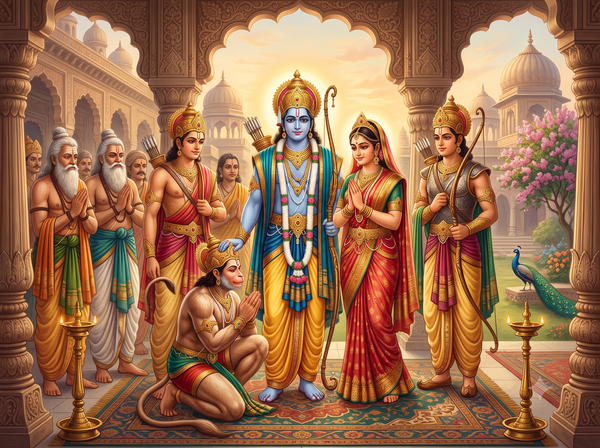
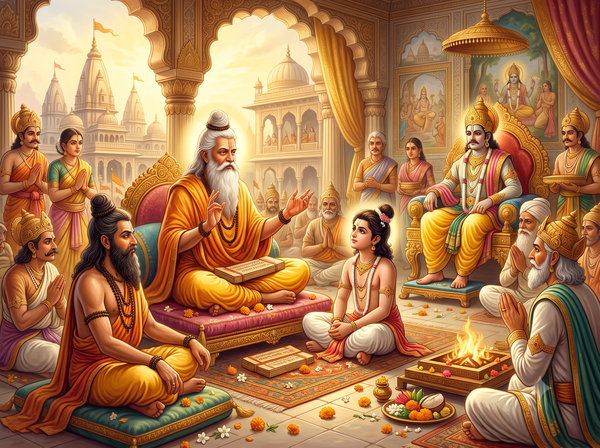
Explore →The dialogue between sage Vasiṣṭha and Rāma on the nature of mind, world, and liberation.
Explore →The dialogue between sage Ashtavakra and King Janaka on the nature of world, and liberation.
Explore →The Song of the Butcher — an arrogant ascetic is corrected by a housewife, sent to a meat-seller in Mithilā, and taught the whole of dharma by a man of the lowest occupation.
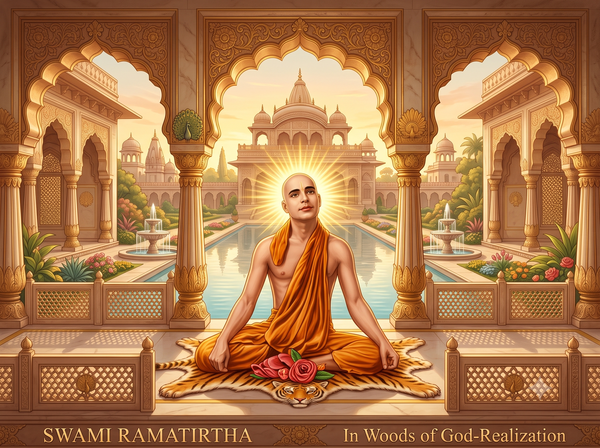
Explore →The collected volumes of Swami Rama Tirtha’s life and teaching, organised for study.
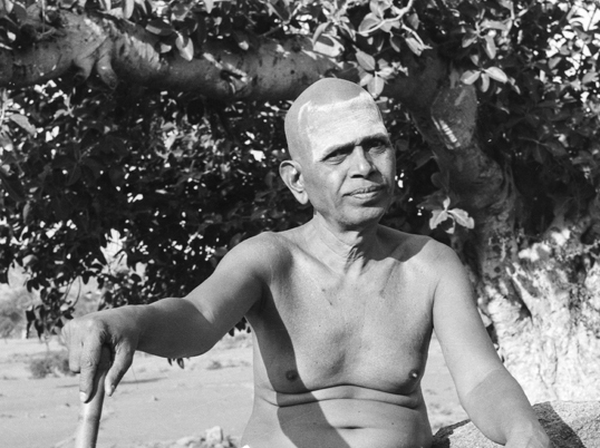
Explore →Who am I Bhagavan Sri Ramana Maharshi’s written works, and these 28 questions, contains the whole of his teaching
Explore →I Am That is a transcript of Questions asked by devotees, between roughly 1970 and 1973
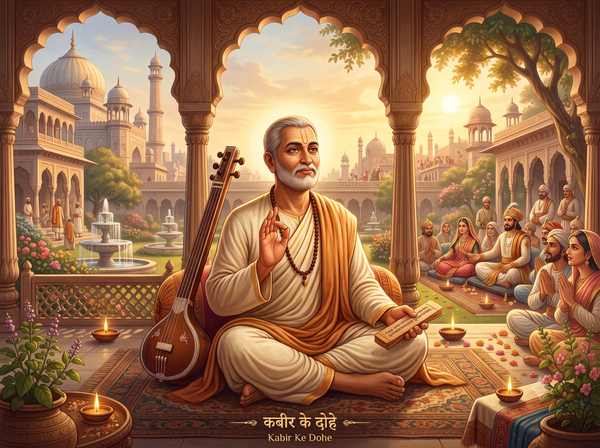
Explore →The couplets of Sant Kabīr, organised by concept, for reflection alongside Vedāntic study.
Explore →Notes on the Charaka Saṃhitā, the foundational classical treatise of Āyurvedic medicine.
Explore →Vāta, Pitta and Kapha — the three doṣas of Āyurveda and what they govern in body and temperament.
Explore →An essay on religion — what it holds in common with, and where it parts from, the Vedāntic enquiry.
Explore →Forty paradoxes, biases and effects from experimental psychology, arranged by the Vedāntic function they illuminate.
Explore →A dozen films — from The Matrix to Groundhog Day — read for the Vedāntic themes hidden in plain sight.
Explore →Bryson set out to answer the questions a science textbook never bothered to answer.
Explore →